
BEIJING — China signaled on October 21 that it will use next month's COP31 climate summit in Antalya, Türkiye, to push back against tariffs and trade barriers on clean-energy technology, with Vice Minister of Ecology and Environment Li Gao telling a press conference that the talks must confront "the new problem of unilateralism and protectionism," Reuters reported.

Illustration: COP31 opens November 9 in Antalya, Türkiye, with trade barriers on clean technology set to be a flashpoint (AI-generated illustration).
What Happened
Li Gao, China's vice minister of Ecology and Environment, told a press conference in Beijing on Wednesday, October 21, that the 31st UN climate summit should discuss "in depth the old problems of developed countries' insufficient emission reductions and insufficient financial support, as well as the new problem of unilateralism and protectionism undermining global collective efforts." The remarks were an indirect criticism of US and European Union trade policy, Reuters reported.
The trade backdrop is stark. China is by far the world's largest producer of the solar panels, wind turbines, batteries and electric cars needed to cut emissions — and its exports face mounting barriers. The United States has imposed steep tariffs on Chinese solar equipment and electric cars; the European Union has done the same for autos, restricted some solar components, and is investigating a major Chinese wind company for unfair trade, according to Reuters.
Li also said COP31 should include a roadmap for the 2024 pledge to marshal $300 billion of climate finance a year for the developing world — reviving one of the most contentious unfinished items on the climate agenda.
Asked whether China supported Türkiye's push for a global agreement on electrification, Li said the objective was in line with Chinese policy but stopped short of explicit support, Reuters reported — a carefully calibrated answer from the head of what will be one of the summit's most powerful delegations.
Li will again head the Chinese delegation to the summit this year, and China also wants COP31 to advance an international mechanism for a just transition and a tripling of adaptation finance, according to a Chinese government press release published October 22.
Background
COP31 — the 31st Conference of the Parties to the UN Framework Convention on Climate Change — runs November 9–20, 2026, in Antalya, Türkiye. It is the first COP hosted by Türkiye and arrives at a moment when the energy transition is colliding head-on with a fragmenting global trading system.
The collision is economic as well as political. Tariffs make solar panels, batteries and electric cars more expensive in importing countries, slowing the deployment of the very technologies emissions cuts depend on. Beijing's argument, as framed by Li, is that protectionism "undermines global collective efforts"; Washington and Brussels counter that Chinese overcapacity and state subsidies justify defensive measures — positions each side has stated publicly through the year.
Climate finance is the other fault line. The $300-billion-a-year pledge dates to 2024, and developing countries have complained that delivery remains far short of promises. A COP31 roadmap with real milestones would be one of the summit's most consequential outcomes; without it, trust between rich and poor nations frays further.
Host-country Türkiye is pushing its own agenda item — a global agreement on electrification — and will need China's backing to make it stick. Li's noncommittal answer keeps Beijing's options open while signaling that any deal must come with movement on trade and finance.
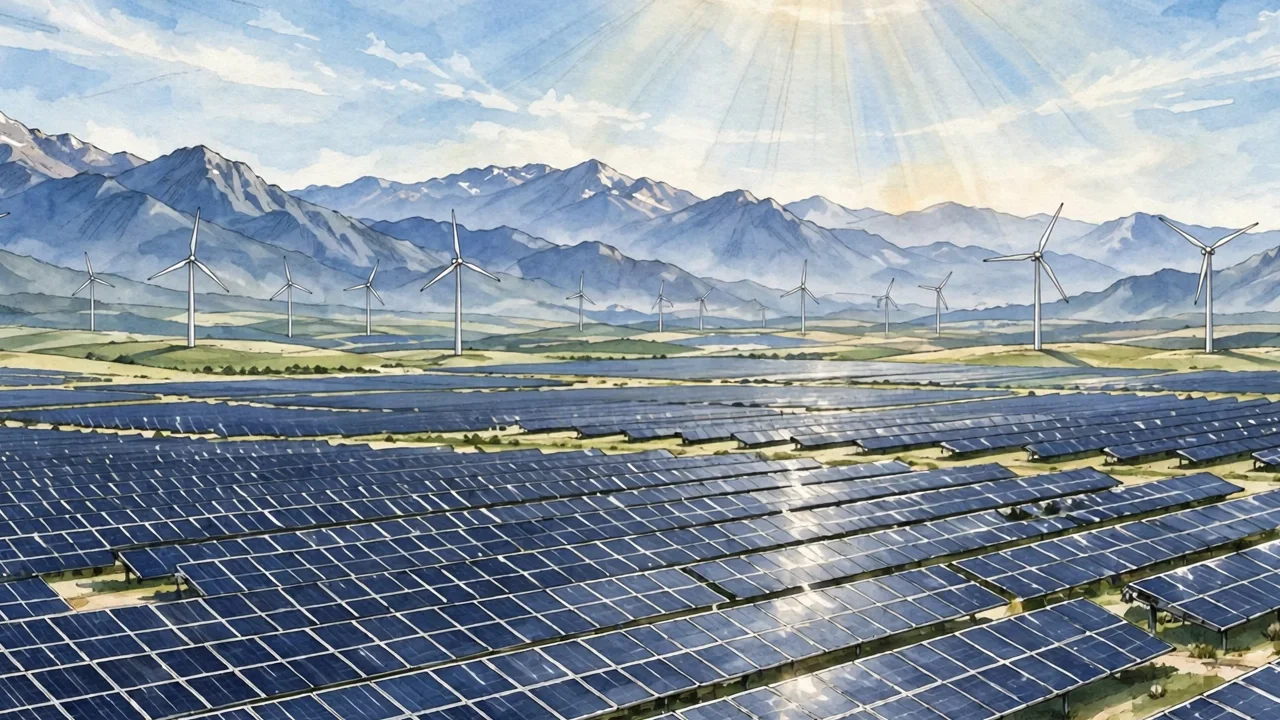
Illustration: China makes most of the world's solar panels, wind turbines, batteries and electric cars — and its exports face growing tariffs (AI-generated illustration).
Why It Matters
The tariff fight matters because it determines the price of the energy transition. Every percentage point added to the cost of solar modules or batteries ripples through project economics worldwide — and hits developing countries hardest, since they depend most on affordable imported equipment. If COP31 formally takes up the trade question, it would mark the first time the climate regime has treated protectionism as a climate problem in its own right.
For China, the summit is a stage to recast itself as the defender of both the developing world and free trade in green goods — a striking role reversal from the days when it was cast as the climate villain. With Li Gao again leading the delegation, Beijing arrives with a coherent three-part ask: tariff restraint, a finance roadmap and a just-transition mechanism, each aimed at a different constituency in the negotiating halls.
For everyone else, the risk is gridlock. If the trade dispute consumes the negotiating oxygen, the summit's other business — the finance roadmap, the electrification push, adaptation — could stall. Antalya will test whether the climate process can absorb a trade war or gets swallowed by it.
What Happens Next
The summit opens November 9 and runs through November 20, giving negotiators 12 days to turn position statements into text. Watch for whether tariff language makes it into the cover decisions, whether Türkiye's electrification agreement gains China's explicit backing, and whether the $300-billion finance roadmap acquires binding milestones.
The weeks before the summit will be just as telling: expect a flurry of pre-COP ministerials where the US and EU respond to Li's challenge, and watch whether other major exporters — India, South Korea, Southeast Asia — line up behind Beijing's framing or chart their own course.
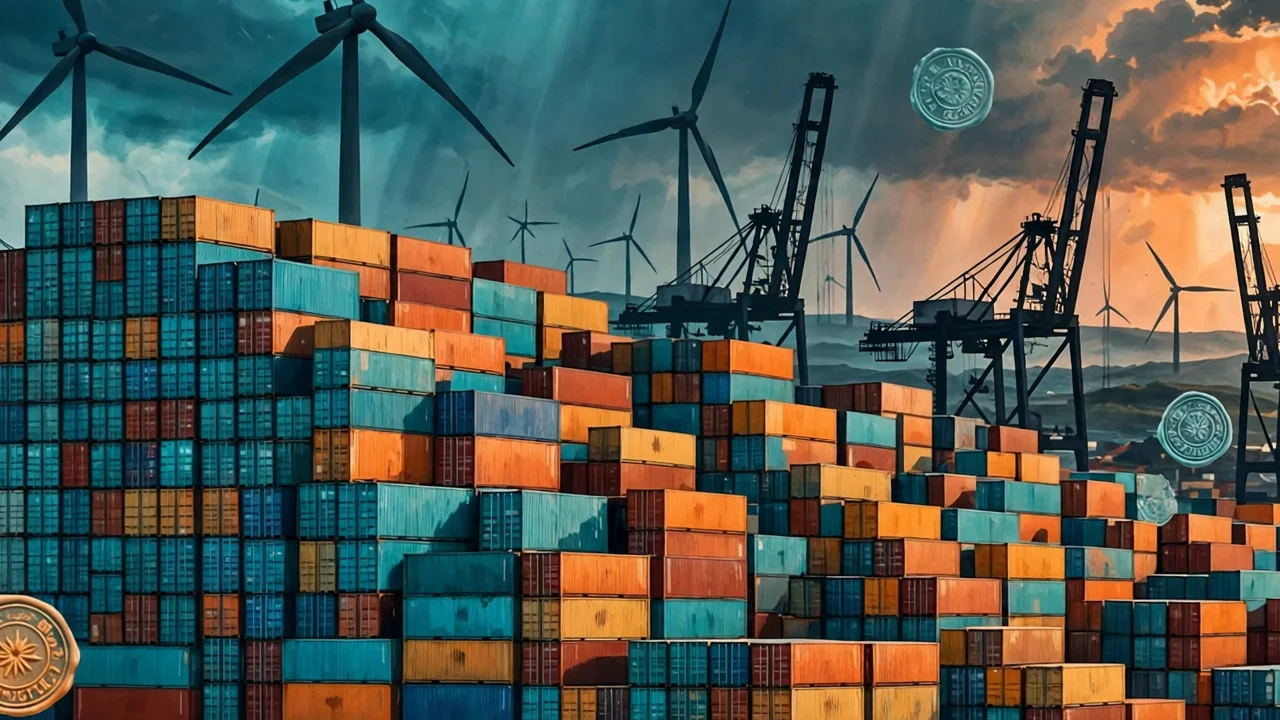
Illustration: Tariffs on clean-energy goods raise the cost of the transition — now Beijing wants the issue on the COP31 agenda (AI-generated illustration).
Sponsored: explore today's featured sponsored offers
FAQ
When and where is COP31?
The 31st UN climate summit runs November 9–20, 2026, in Antalya, Türkiye — the first COP hosted by the country.
What did China say about tariffs?
On October 21, Vice Minister of Ecology and Environment Li Gao said COP31 should address "the new problem of unilateralism and protectionism undermining global collective efforts" — an indirect criticism of US and EU tariffs on Chinese clean-energy goods, according to Reuters.
Why does China care about cleantech tariffs?
China is by far the world's largest producer of solar panels, wind turbines, batteries and electric cars. The US has imposed steep tariffs on Chinese solar and EVs; the EU has done the same for autos, restricted some solar components, and is investigating a major Chinese wind company, Reuters reported.
What does China want on climate finance?
Li said COP31 should include a roadmap for the 2024 pledge to marshal $300 billion a year in climate finance for the developing world, plus an international mechanism for a just transition and a tripling of adaptation finance.
Will tariffs actually make the COP31 agenda?
China wants them discussed in depth, and host Türkiye is pushing a global electrification agreement that needs Beijing's backing. Whether tariff language lands in the final summit text will be decided during the November 9–20 negotiations.
Sources
- Reuters (reporting by Lewis Jackson, Beijing) — "China signals intent to push back against cleantech tariffs at COP31" (Oct 21, 2026): https://www.reuters.com/sustainability/cop/china-signals-intent-push-back-against-cleantech-tariffs-cop31-2026-10-21/
- China SCIO — press conference readout on COP31 preparations (Oct 22, 2026): http://english.scio.gov.cn/pressroom/2026-10/22/content_118744528.html
Comments
Post a Comment