
STRASBOURG — The European Parliament voted on Thursday, October 22, 2026, to approve a three-year delay to the European Union's methane emissions rules for oil and gas imports, after pressure from governments including France and the United States, setting up a final negotiation with EU member states over one of the bloc's flagship climate measures.

Illustration: The European Parliament hemicycle during a climate vote in Strasbourg. Lawmakers backed a three-year delay to methane import rules. (AI-generated illustration)
What Happened
The European Parliament voted on Thursday to approve a three-year delay to the EU's methane emissions rules covering imported fossil fuels, Reuters reported on October 22, 2026. Under Parliament's proposal, importers of crude oil, natural gas and coal would have until May 31, 2031, to demonstrate that supply contracts concluded or renewed since August 4, 2024 cover only fuel subject to monitoring, reporting and verification measures equivalent to EU rules, lawmakers said in a statement.
The delay followed pressure from governments including France and the United States, according to Reuters. Washington is a major supplier of liquefied natural gas to Europe, and American officials have long argued that the EU's methane requirements on imports could disrupt energy trade and raise prices. Following Thursday's vote, lawmakers will now have to thrash out a final decision on the deadline with EU governments in inter-institutional negotiations.
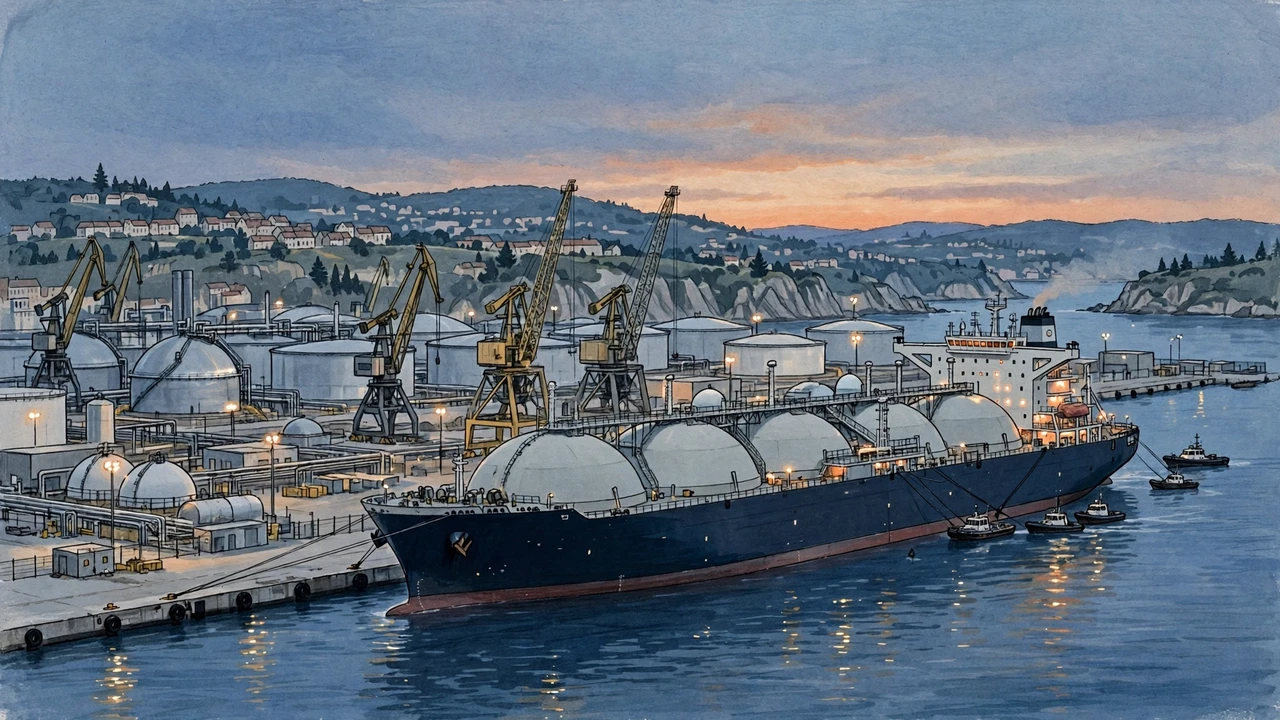
Illustration: An LNG carrier at a European import terminal. Importers of oil, gas and coal face methane monitoring requirements under the EU regulation. (AI-generated illustration)
Background
The EU's methane regulation, which began applying in stages from 2024, was the first of its kind anywhere in the world to target methane emissions across the fossil fuel supply chain, including emissions from imported fuel. Methane is the second-largest contributor to climate change after carbon dioxide, according to Reuters, and the largest component of natural gas — making leaks from production, pipelines and shipping a significant driver of warming.
Because the European Union imports the vast majority of the oil and gas it consumes, the regulation's import provisions were designed to extend the bloc's climate rules to its foreign suppliers, from the United States and Qatar to Algeria and Norway. Energy companies and some governments warned that the original timeline was unworkable, while climate campaigners argued the rules were essential to force cuts in methane leaking from global fossil fuel operations.
Why It Matters
The vote is a significant, if partial, retreat on one of the EU's most ambitious climate policies. Methane is a powerful short-lived greenhouse gas, and scientists say cutting methane emissions is the fastest way to slow near-term warming. Any weakening of the timeline pushes back the moment when the world's largest buyers of oil and gas can credibly demand lower-methane supplies.
The delay also lands at an awkward moment for Brussels. The UN Environment Programme's Emissions Gap Report, released on October 21, 2026, found that a 1.5°C overshoot is now unavoidable and that emissions must fall sharply this decade — and the COP31 climate summit in Brazil is approaching, where the EU will be expected to show climate leadership. A high-profile softening of a flagship methane rule gives critics ammunition, while supporters of the delay argue it protects European energy security and keeps transatlantic trade tensions in check.
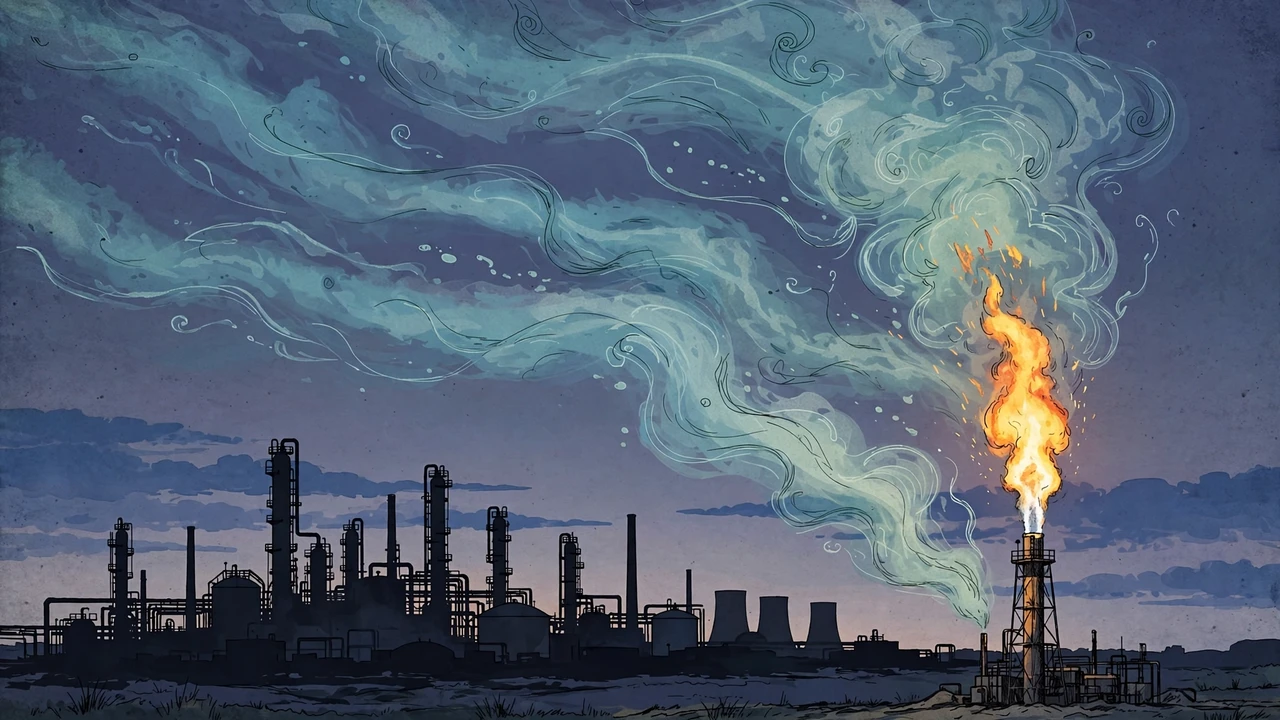
Illustration: Methane emissions from an industrial gas flare at dusk. Methane is the second-largest contributor to climate change after carbon dioxide. (AI-generated illustration)
What Happens Next
Parliament's three-year delay is a negotiating position, not the final law. Lawmakers must now reach a compromise with EU member states, which have their own views on how far the methane timeline should be pushed. Watch for the outcome of those negotiations — whether the May 31, 2031 deadline survives, and what conditions are attached — as well as any formal response from Washington and from major gas suppliers.
The decision will also be closely watched ahead of COP31, where the EU's credibility on cutting non-CO2 gases will be under scrutiny from small island states and climate-vulnerable countries demanding faster action.
Sponsored: explore today's featured sponsored offers
FAQ
What are the EU's methane rules?
The EU's methane regulation, introduced in 2024, is the first regulation anywhere to target methane emissions across the fossil fuel supply chain, requiring monitoring, reporting and verification of methane leaks — including for imported oil, gas and coal.
Why is methane important for climate change?
Methane is the second-largest contributor to climate change after carbon dioxide, according to Reuters. As a potent short-lived greenhouse gas, cutting methane emissions is considered the fastest way to slow near-term warming.
What exactly did the European Parliament vote to change?
Parliament voted on October 22, 2026, to give importers of crude oil, natural gas and coal until May 31, 2031, to show that supply contracts concluded or renewed since August 4, 2024 cover only fuel subject to methane monitoring equivalent to EU rules — a three-year delay.
Why did France and the United States push for the delay?
According to Reuters, governments including France and the United States pressed for the delay. The US is a major LNG exporter to Europe, and American officials have argued the EU's import methane requirements could disrupt energy trade and raise prices.
What happens next?
Parliament must now negotiate a final decision on the deadline with EU member states. The outcome — and any response from major gas suppliers — will be closely watched ahead of the COP31 climate summit.
Sources
- Reuters, October 22, 2026 — "European Parliament votes to approve three-year delay on EU methane rules"
- European Parliament statement, October 22, 2026 (via Reuters)
- UN Environment Programme, October 21, 2026 — Emissions Gap Report 2026
Comments
Post a Comment