
Merck and Moderna announced on October 22 that their personalized mRNA cancer vaccine, combined with the immunotherapy drug Keytruda, cut the risk of death or cancer recurrence from melanoma by more than 40% in a trial of over 1,100 patients, with full results to be presented at the ESMO meeting in Madrid on October 24.
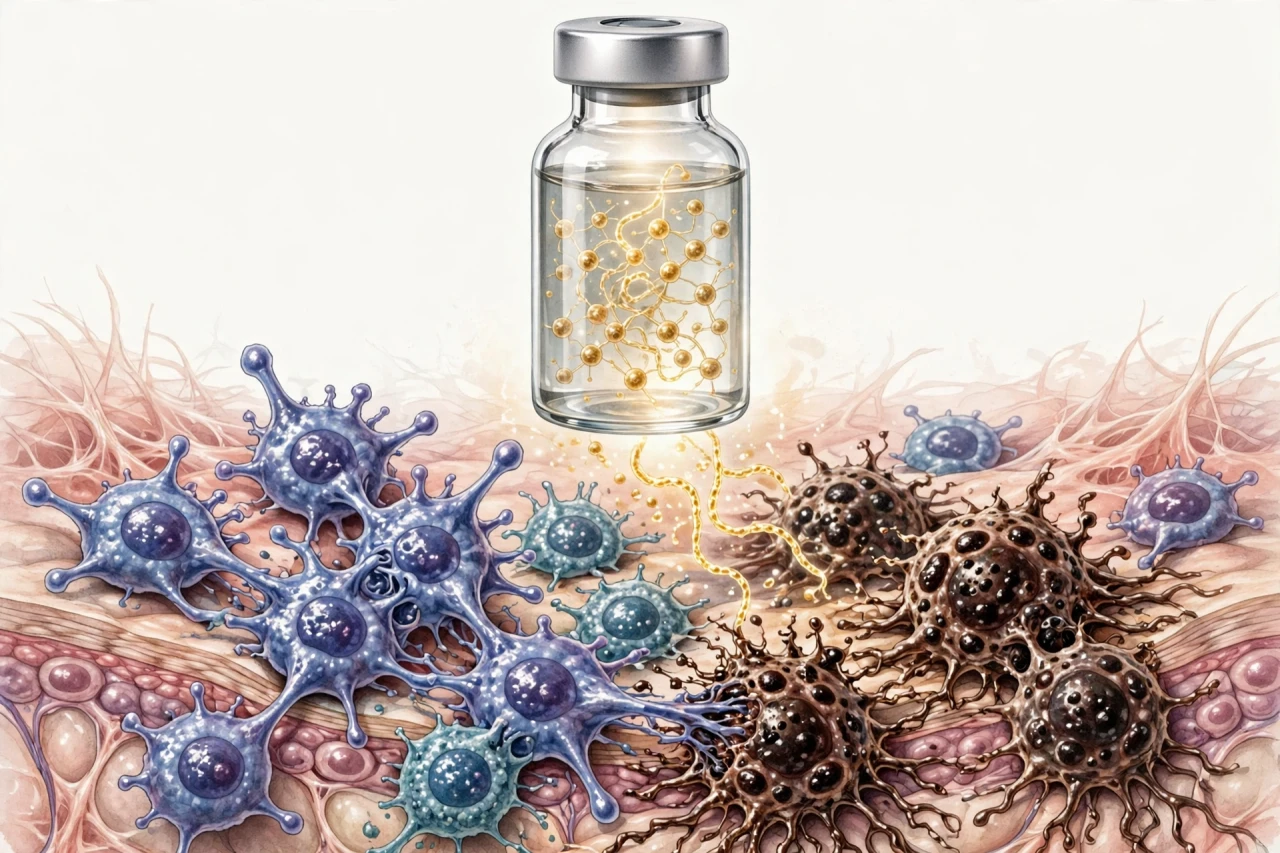
Illustration: The personalized mRNA vaccine targets mutations unique to each patient's tumor.
What Happened
Merck and Moderna reported detailed results from a large clinical trial testing a personalized cancer vaccine against melanoma, the deadliest form of skin cancer. According to a Reuters report published October 22, the mRNA-based vaccine — given together with Merck's blockbuster immunotherapy drug Keytruda — reduced the risk of death or cancer recurrence by 42% and cut the risk of the disease spreading by 38%.
The trial enrolled more than 1,100 patients and is described as the first study to show that a vaccine tailored to the mutations of an individual patient's tumor, combined with immunotherapy, can keep cancer at bay over the long term.
The companies had announced the trial's success back in August without releasing specifics; the October 22 disclosure provided the headline figures based on the first two years of patient data. The complete findings are scheduled to be presented on Saturday at the ESMO (European Society for Medical Oncology) meeting in Madrid.
The results appear to meet — and slightly exceed — the threshold analysts had been watching for. Reuters noted that analysts had expected the combination to reduce recurrence by at least 40%, making the 42% figure a positive surprise with potential implications for the treatment's commercial and clinical future.
The data also strengthens the broader case for personalized mRNA vaccines, a technology platform that gained global attention during the COVID-19 pandemic and is now being redirected against cancer.
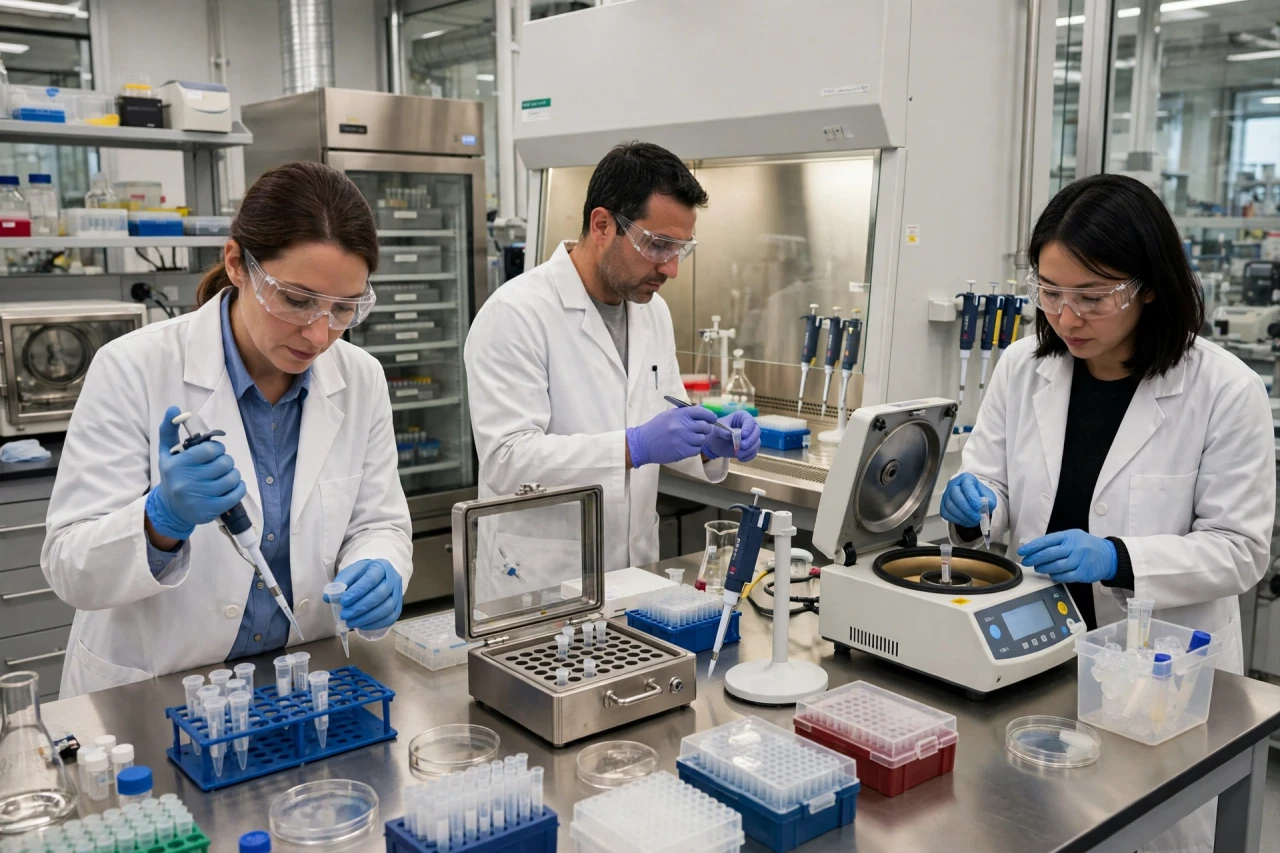
Illustration: Researchers are working to bring personalized mRNA vaccines from trial success to approved treatments.
Background
Melanoma arises from pigment-producing cells in the skin and, while less common than other skin cancers, is responsible for the majority of skin cancer deaths. When caught early it is often curable with surgery, but once it spreads to other parts of the body it becomes much harder to treat.
Immunotherapy drugs like Keytruda have transformed melanoma treatment over the past decade by helping the immune system recognize and attack cancer cells. But many patients still see their cancer return. The idea behind the Merck-Moderna combination is to add a personalized vaccine that trains the immune system to target the specific mutations found in a patient's own tumor — a one-two punch of general immune activation plus a precision-guided attack.
The vaccine is built using mRNA technology, which instructs the patient's cells to produce proteins matching their tumor's unique mutations, prompting an immune response against them. Because the vaccine must be manufactured individually for each patient, it represents a new, logistically complex model of cancer treatment.
Moderna and Merck have been collaborating on personalized cancer vaccines for years, with melanoma as the flagship indication. Other companies are pursuing similar approaches, including BioNTech, whose head-and-neck cancer vaccine BNT113 missed its main goal in a trial reported earlier — a reminder that the field has seen both setbacks and breakthroughs.
Why It Matters
A 42% reduction in the risk of death or recurrence is a large effect in oncology, where incremental gains are the norm. If the full ESMO presentation confirms the durability of the benefit, the combination could reshape how melanoma is treated after surgery — potentially becoming a standard option for patients at high risk of relapse.
The result is also a landmark validation for personalized cancer vaccines as a concept. For years, therapeutic cancer vaccines produced disappointing trial results. Showing, in a trial of more than 1,100 patients, that a mutation-targeted mRNA vaccine can meaningfully extend cancer-free survival gives the entire field its strongest evidence yet.
The commercial stakes are significant. Keytruda is one of the world's best-selling drugs, and adding a personalized vaccine component could extend its reach — though the complexity and cost of manufacturing individualized vaccines will raise questions about access and pricing if the treatment is approved.
For patients and families facing melanoma today, the data offer genuine hope, though doctors will caution that the results come from a trial setting and regulatory approval — followed by real-world availability — is still ahead.
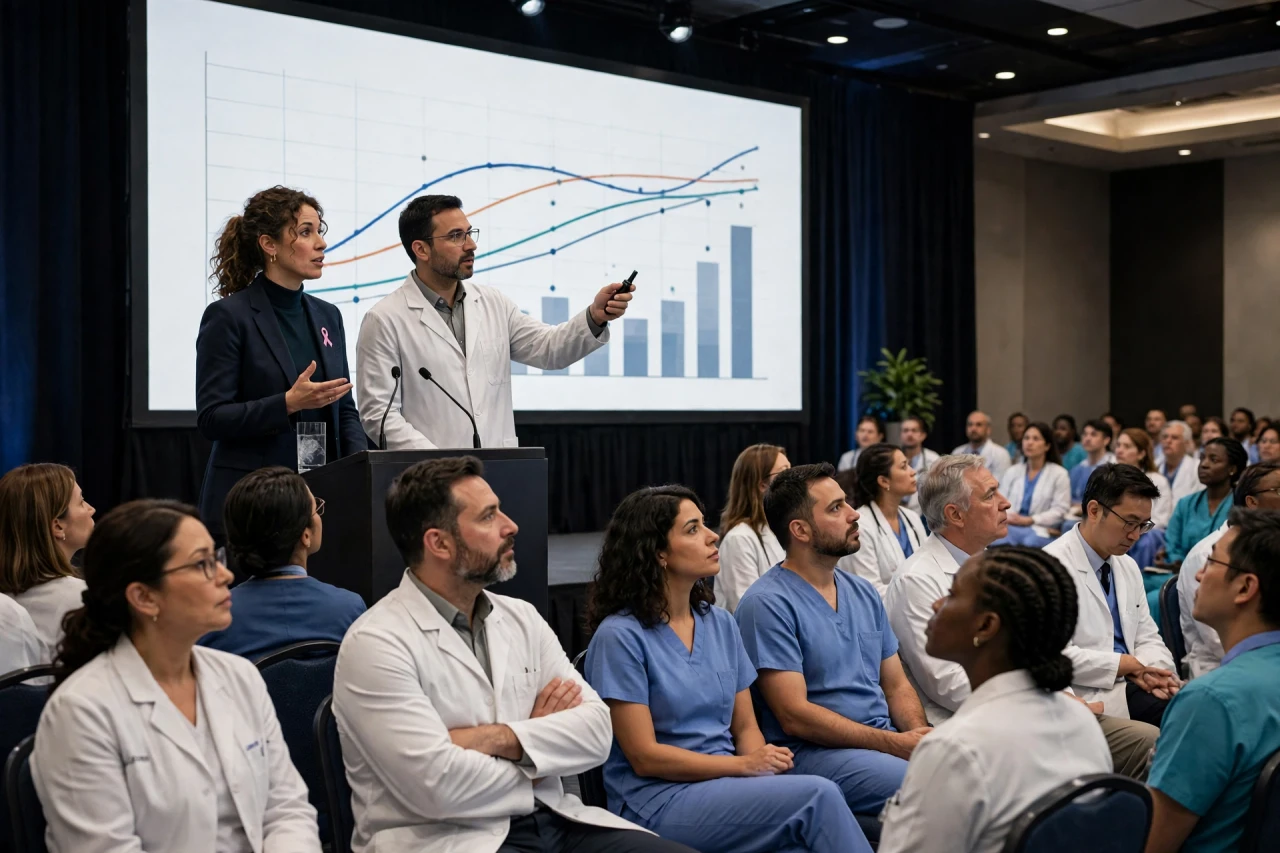
Illustration: Full trial results will be presented to oncologists at the ESMO meeting in Madrid.
What Happens Next
The immediate next step is the full data presentation at the ESMO meeting in Madrid on Saturday, where oncologists will scrutinize the details: how the benefit held up across patient subgroups, the safety profile of the combination, and whether the effect strengthens with longer follow-up.
Regulatory filings are expected to follow. If approved, the treatment would become one of the first personalized mRNA cancer vaccines on the market — a milestone for a technology that has promised much since its pandemic-era breakthrough.
Attention will also turn to other cancers. Merck and Moderna are testing the personalized vaccine approach beyond melanoma, and rivals are racing to bring their own candidates through trials. The ESMO presentation will set the bar the entire field must clear.
Longer-term, the field must solve the practical challenges: manufacturing a bespoke vaccine for each patient takes time and money. Streamlining production without compromising quality will determine whether personalized vaccines become a standard tool or a niche option for the wealthy.
Sponsored: explore today's featured sponsored offers
FAQ
What did the Merck-Moderna trial find?
In a trial of more than 1,100 melanoma patients, the personalized mRNA vaccine plus Keytruda cut the risk of death or cancer recurrence by 42% and reduced the risk of the disease spreading by 38%, based on the first two years of data.
How does a personalized cancer vaccine work?
The vaccine is manufactured for each individual patient using mRNA that encodes proteins matching the unique mutations in their tumor, training their immune system to recognize and attack the cancer cells.
When will full results be available?
The complete findings are scheduled to be presented at the ESMO oncology meeting in Madrid on Saturday, October 24, 2026.
Is this treatment available to patients now?
Not yet. The results are from a clinical trial; the treatment must still go through regulatory review and approval before it can be prescribed. Patients should discuss available options with their oncologist.
Why is this result considered important?
It is the first large trial to show that a personalized, mutation-targeted vaccine combined with immunotherapy can keep cancer at bay — a landmark validation for the entire field of personalized cancer vaccines.
Sources
- Reuters — "Merck/Moderna cancer vaccine cuts risk of death or recurrence from melanoma by over 40%," October 22, 2026.
Comments
Post a Comment