
WASHINGTON — A federal judge on Thursday ordered US President Donald Trump to sit for a deposition by December 11 in his $10 billion defamation lawsuit against the BBC, after the British broadcaster accused him of stalling to avoid answering questions under oath, the Associated Press reported.
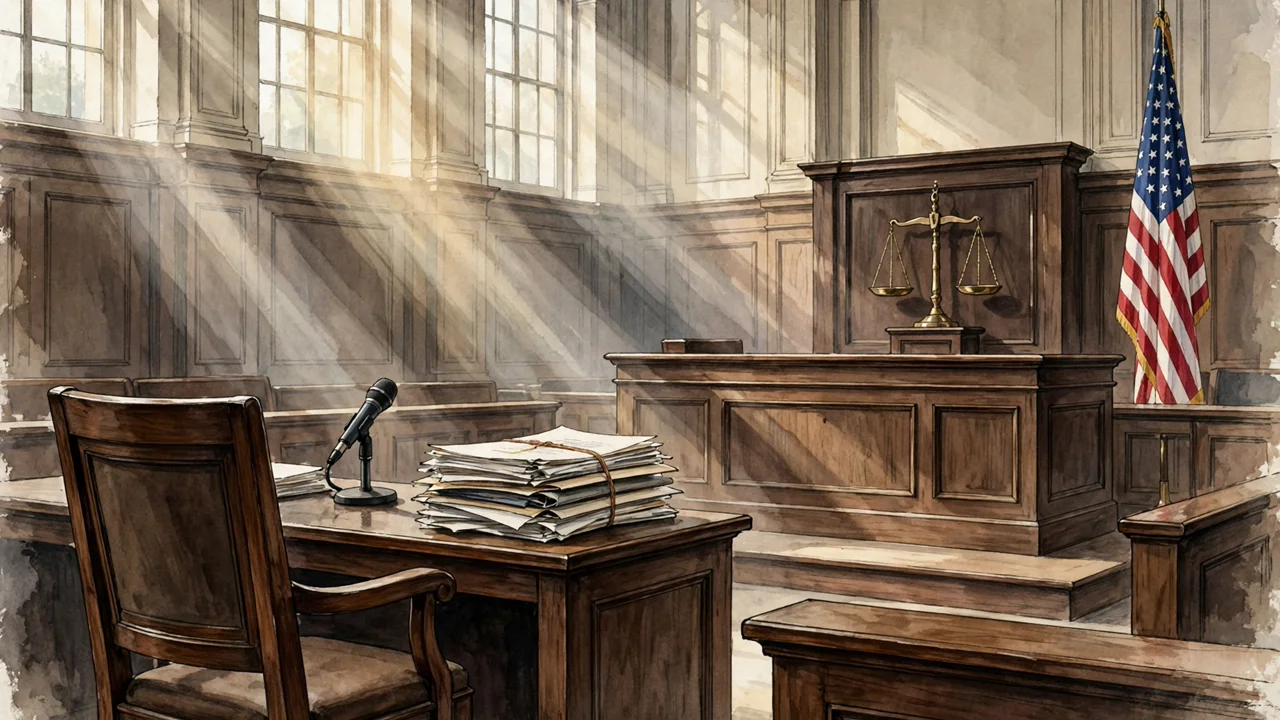
Illustration: An empty witness chair in a solemn courtroom — the US president has been ordered to answer questions under oath by December 11 (AI-generated illustration).
What Happened
US Magistrate Judge Enjolique Lett ordered Trump to take questions from the BBC's lawyers under oath in a ruling from the bench at a court hearing on Thursday, according to the AP. Trump had canceled a deposition in October, citing conflicts with his presidential duties — a move the BBC's legal team characterized as an effort to avoid testifying under oath.
Trump is suing Britain's publicly funded broadcaster for at least $10 billion over a misleadingly edited clip of a speech, Reuters reported. The case is one of several Trump has filed against the news media as part of a wider pressure campaign against coverage he dislikes.
Representatives for Trump's legal team and the BBC did not immediately respond to requests for comment, Reuters noted.
Background
The lawsuit, filed in December in Florida federal court, accuses the BBC of intentionally misleading viewers into thinking Trump directed supporters to storm the US Capitol by splicing together different parts of a speech he gave on January 6, 2021. The BBC has admitted the edits were misleading and apologized to Trump — but it denies being liable for defamation, setting up a legal battle over whether a flawed edit amounts to intentional defamation.
The edited speech appeared in a BBC "Panorama" documentary show shortly before the 2024 presidential election, which Trump won. A leaked internal BBC memo cited the edits as evidence of potential political bias, sparking a public relations crisis for the broadcaster and leading to high-level resignations — a fallout that has shadowed Britain's most prominent news institution for months.
The legal fight has since expanded into a bruising discovery battle. In court filings, the broadcaster has accused Trump and his lawyers of dragging their feet on requests for records and other information exchanged in the discovery process. The BBC is seeking financial records from Trump's Mar-a-Lago club and the web of business entities associated with him, saying the information is necessary to defend against Trump's damages claims. Trump's lawyers say the requests are too broad and irrelevant to the case, and have denied in court filings that Trump is avoiding a deposition, saying his duties and security needs must take precedence.
Illustration: A grand broadcasting headquarters at dusk — the British public broadcaster faces a $10 billion defamation claim (AI-generated illustration).
Why It Matters
A sitting US president testifying under oath in a defamation case against a foreign broadcaster would be an extraordinary moment — and the stakes cut in both directions. For Trump, the deposition offers a chance to pursue what he has framed as accountability for a misleading edit of one of the most consequential speeches of his political career, while proving that even the world's most prominent public broadcasters face consequences. For the BBC, surviving the case is about the institution's reputation and finances: a publicly funded broadcaster admitting a misleading edit but denying defamation must now convince a Florida court that the mistake was not intentional.
The case also matters as a stress test of the boundary between editorial failure and actionable defamation. News organizations make editing errors regularly; the BBC's own admission and apology would typically close the matter in most jurisdictions. Trump's $10 billion claim — one of the largest defamation demands ever filed against a news organization — is part of a broader pattern of litigation against the press that media advocates say is designed to chill aggressive coverage through the sheer cost of defense. The discovery fight over Mar-a-Lago's financial records adds a rare financial transparency angle to the case, since damages claims of this size require the plaintiff's own books to be examined.
Beyond the courtroom, the dispute has already reshaped the BBC: the leaked internal memo and the resignations that followed have made the Panorama edit one of the defining media crises of the broadcaster's modern history, with implications for how its newsroom handles politically sensitive material.
What Happens Next
The immediate deadline is clear: Judge Lett's order requires Trump to sit for the deposition by December 11, with the BBC's lawyers asking the questions. Trump's legal team could still seek to delay or narrow the scope of that testimony, citing presidential duties and security needs — the same arguments that led to the canceled October deposition. Any appeal or modification of the order would itself become news.
In parallel, the discovery battle continues, with the court set to weigh the BBC's request for financial records from Mar-a-Lago and Trump's business entities against his lawyers' claims that the requests are overbroad. And the broader defamation case — filed in December in Florida federal court — continues toward trial, where a jury could one day be asked to decide whether a spliced speech amounts to $10 billion in damages.
Illustration: A judge's gavel on newspapers and a vintage television — the courts and the press face off in a landmark defamation case (AI-generated illustration).
Sponsored: explore today's featured sponsored offers
FAQ
What did the judge order?
US Magistrate Judge Enjolique Lett ordered Donald Trump to sit for a deposition by December 11 in his $10 billion defamation lawsuit against the BBC, ruling from the bench at a court hearing on Thursday, according to the AP.
Why is Trump suing the BBC?
Trump's lawsuit, filed in December in Florida federal court, accuses the BBC of intentionally misleading viewers into thinking he directed supporters to storm the US Capitol by splicing together different parts of a January 6, 2021 speech. The edited clip aired in a BBC "Panorama" documentary shortly before the 2024 presidential election.
Has the BBC admitted the edits were misleading?
Yes. The BBC admitted the edits were misleading and apologized to Trump, but it denies being liable for defamation — the central legal question in the case.
Why did Trump cancel the earlier deposition?
Trump canceled a deposition in October, citing conflicts with his presidential duties. His lawyers have denied in court filings that he is avoiding a deposition, saying his duties and security needs must take precedence, while the BBC has accused him of stalling.
What happens next in the case?
The deposition must happen by December 11, though Trump's team could seek to delay or narrow it. Separately, the court will continue to weigh the BBC's request for financial records from Mar-a-Lago and Trump's business entities as discovery proceeds toward a trial.
Sources
- Reuters — "Trump ordered to sit for deposition in his $10 billion BBC lawsuit, AP reports" (Oct 22, 2026)
Comments
Post a Comment